How to Name a Startup: A Process From Real Naming Projects

In short
- A good startup name is short, easy to say, easy to spell and says something true about the company.
- Write the brief first: what the company does, for whom, and how it should feel.
- Generate many names, shortlist a few, then check them out loud, in a logo and against trademarks and domains.
Contents (6)
A name is the first piece of your brand that people meet, and the one you will use every day for years. It goes on the deck, the domain, the app icon and every email. Changing it later is expensive.
We have named many of the companies we brand. This is the process we use, with the story behind some of those names.
Start with a naming brief
Before any name, write down:
- What the company does, in one sentence a non-expert understands
- Who has to remember it first: investors, customers, clinicians, developers
- How it should feel: precise, warm, bold, calm
- Where it will live: an app icon, a URL, a conference badge, spoken on calls
- What to avoid: competitors' names, words that are hard to say in your key markets
The brief keeps the team from choosing a name only because it sounds nice in the meeting.
Know the kinds of names
Most good startup names fall into one of these groups:
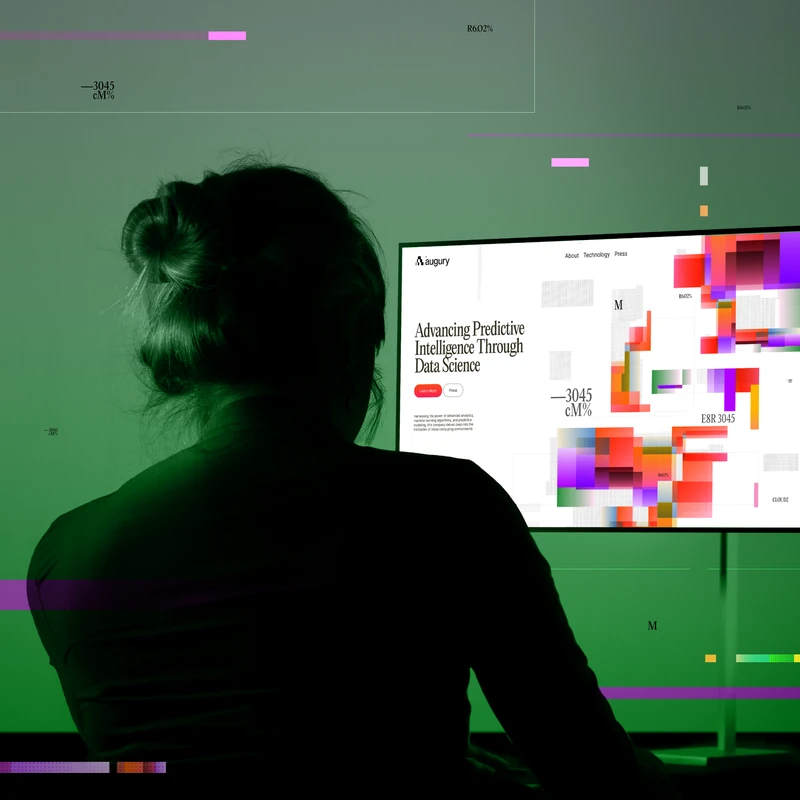
- A real word with a new meaning. Augury is the ancient practice of reading signs, for a company that predicts outcomes. Revival means an improvement in condition or strength, for a physical health platform.
- A word built from the idea. Sixfold is the hexagon's symmetry, six neighbours around every point, for an AI that turns separate signals into one structure. Tessel comes from tessellation, shapes fitting together with no gaps, the way cells form tissue.
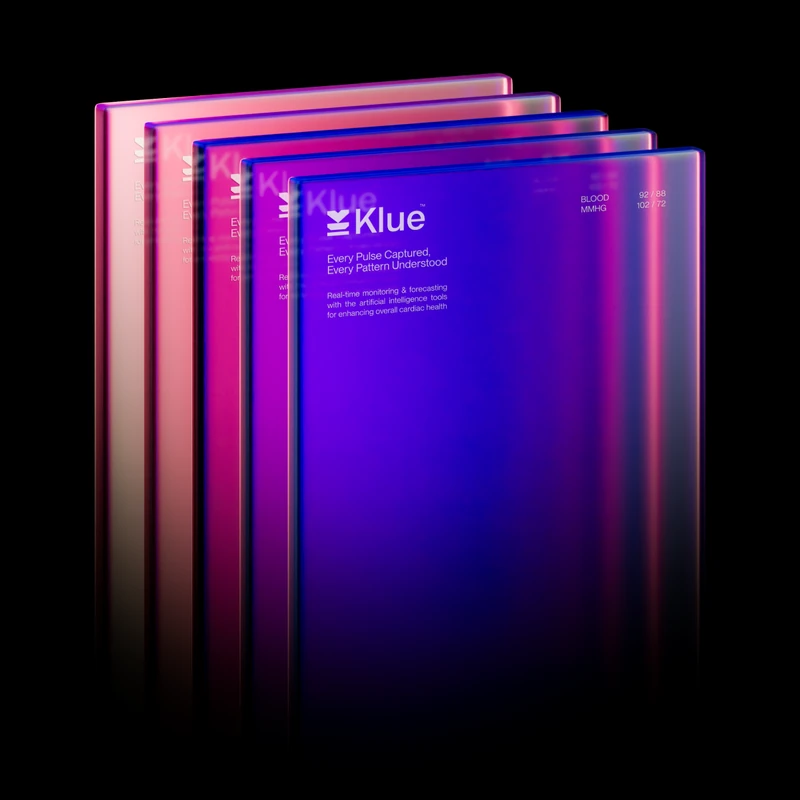
- A changed spelling of a familiar word. Klue, a heart monitoring app, comes from "clue": a hint about your heart health.
- A descriptive compound. Nodelink, a network for AI collaboration, says what it connects. Beyond Surgical says where the company is going.
- A root word. Kinetica, a music sequencer, comes from motion, which became the basis of the whole brand.
There is no best type. Choose the one that fits your brief.

Generate many, then cut hard
Write a long list first: 100 names or more, from every group above. Don't judge them yet. Then cut to ten, then to three, with these questions:
- Can someone spell it after hearing it once on a call?
- Is it easy to say in your main markets?
- Does it say something true about the company?
- Will it still fit if the product changes?
- Does it look good set in type and as a single letter or icon?
Test the shortlist
- Say it out loud. "We're Sixfold." "I work at Klue." If it feels awkward, it will feel awkward a thousand times.
- Set it in a logo. A name can look very different in type. Some names give you a mark almost by themselves: Sixfold's logo is the hexagonal grid the name describes.
- Check trademarks in your markets with a lawyer before you fall in love.
- Check the domain and handles. You don't need the exact .com, but you need something clean.
- Search it. Make sure it doesn't mean something unfortunate in another language or belong to a well-known company in your field.
Let the name lead the brand
The best names do more than label a company. They give the brand its idea. Tessel's name and its graphics both come from cells fitting together. Kinetica's whole visual language comes from motion. When the name and the identity share one idea, people remember both.
You can see more of this in AI startup branding and biotech branding examples.
Questions
A focused naming process usually takes one to three weeks: the brief, a long list, a shortlist, testing and legal checks. It often runs as the first step of a brand identity project.
Not necessarily. A descriptive name is easy to understand but hard to protect and can feel generic. A name with a meaning connected to the company, like Augury or Sixfold, is easier to own and can grow with the product.
It helps, but it is not required. Many strong companies start with a modifier like "get" or "try", or another clean domain, and buy the exact .com later.
Yes. Naming is often part of a brand identity project, so the name and the logo are designed from the same idea. Always confirm the final name with a trademark lawyer.
Working on a brand for your company?
Second Eight is a branding agency for science, health and technology companies. Sam Hox, the founder, leads every project. Two clients at a time.