Science Branding: How to Brand a Science Company
In short
- A science brand has two audiences: experts who check the details and everyone else who needs the idea in seconds.
- Build the graphics from the real science: data, structures and processes from the work itself.
- The system has to work in publications, posters, talks and funding decks, not only on a website.
Contents (6)
Science companies have a hard branding problem. The work is precise and often hard to explain, but the people who fund it, buy it and join it are not all scientists. The brand has to make the idea clear to them without losing the trust of the experts.
This guide covers how we approach science branding at Second Eight, with examples from science and deep tech brands we designed.
Make the idea clear in one look
Most people meet a science company through a deck, a website or a talk. They need to understand the idea before they understand the method. The identity gives the research a simple shape.
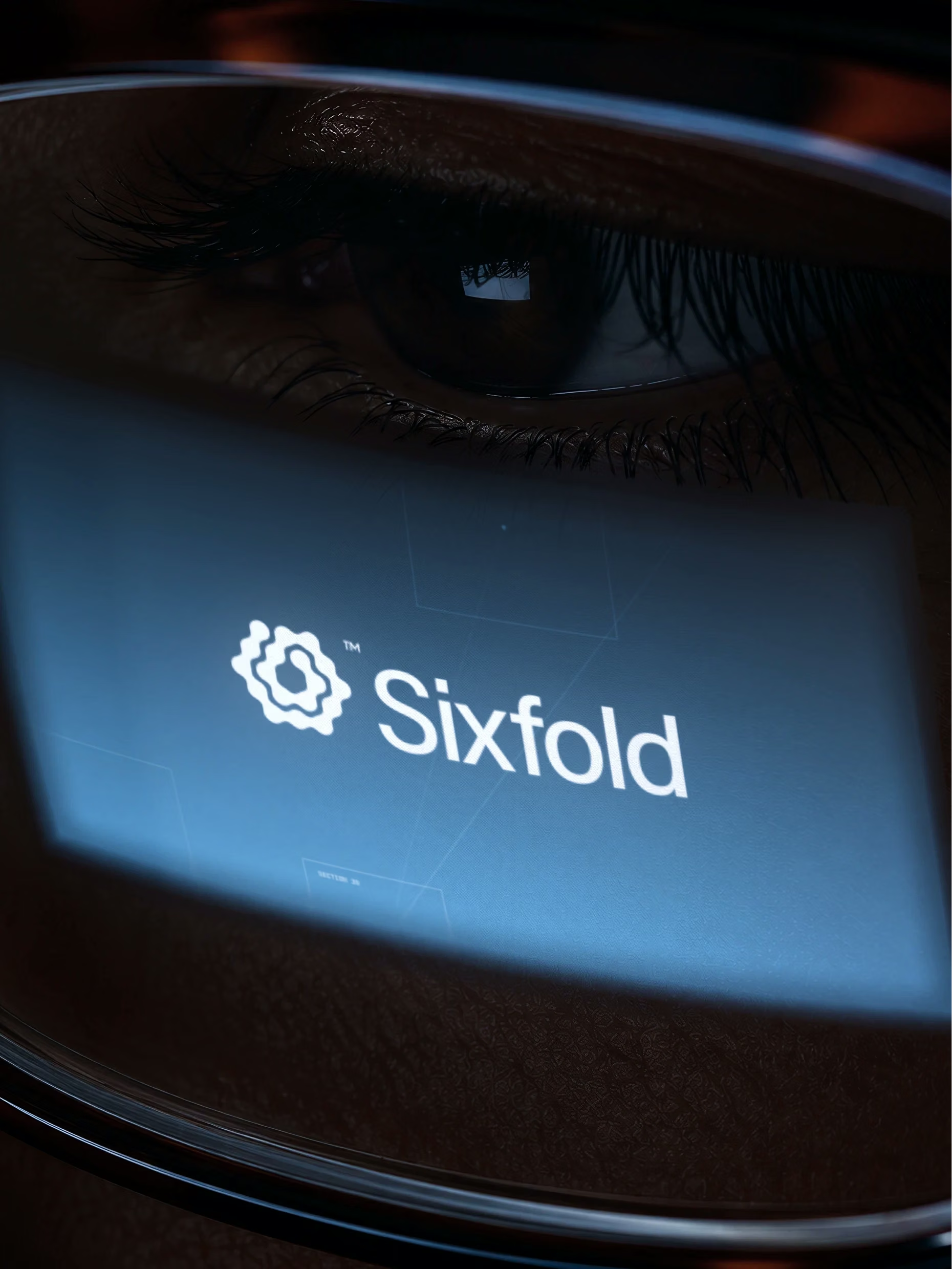
- Sixfold reads what scientific instruments see and returns the structure underneath. Its logo is a hexagonal grid, points fused into one form, the way the product turns separate signals into one structure.
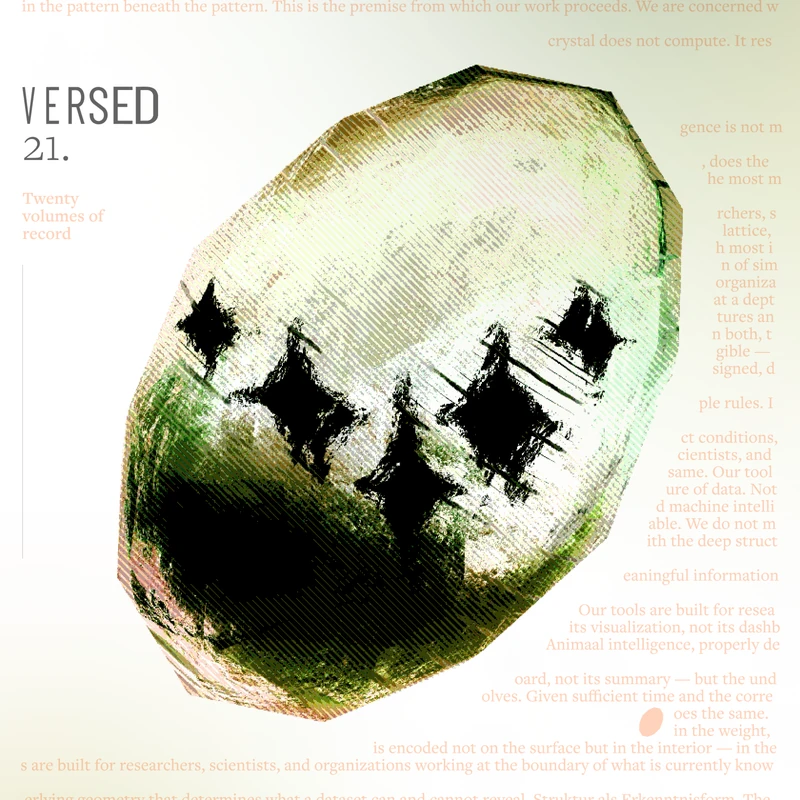
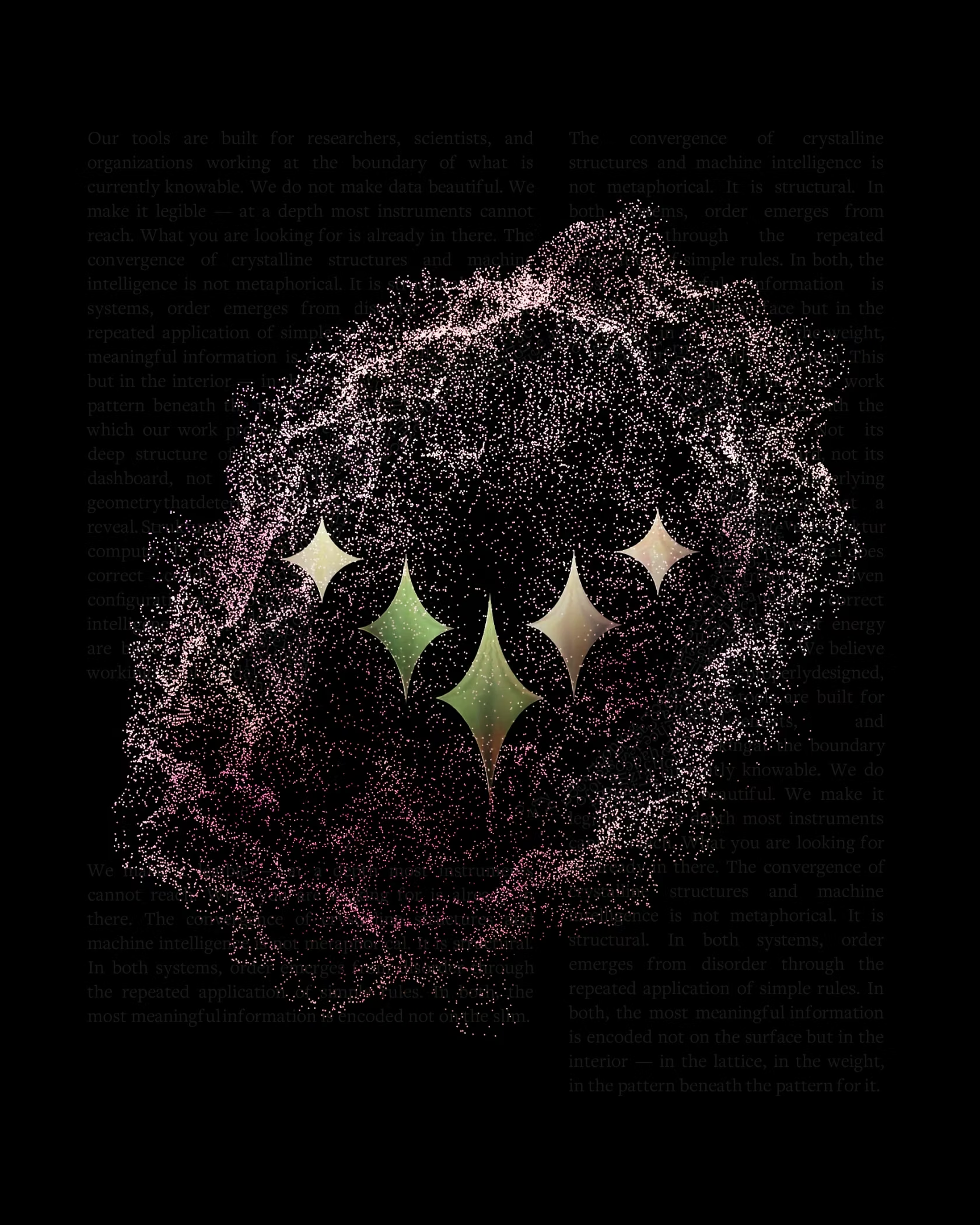
- Versed, a quarterly scientific journal and a studio project, is built on the crystal: a structure that forms slowly, under pressure, over time.
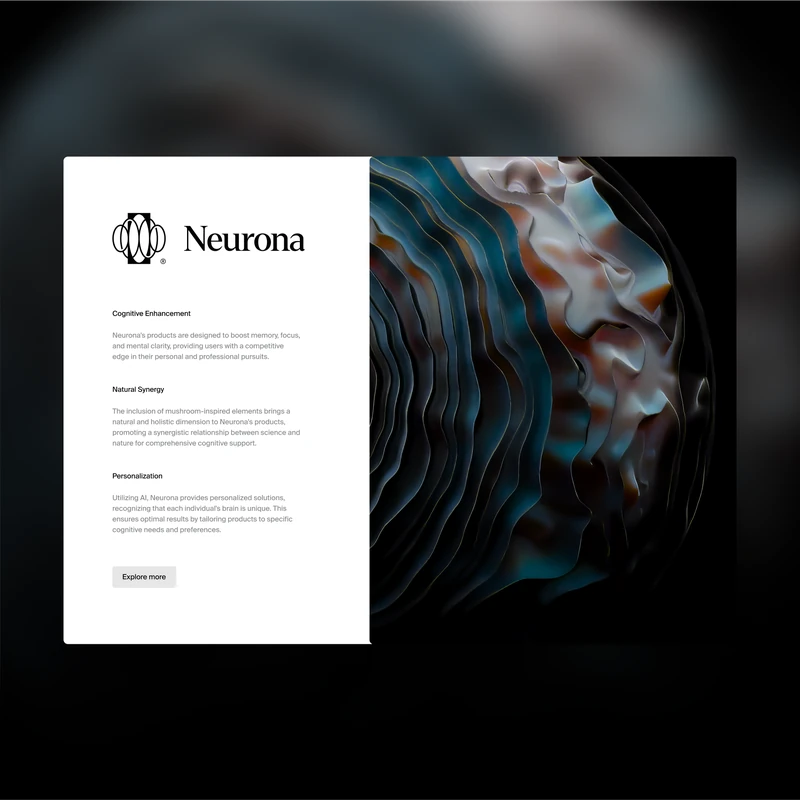
- Neurona works across neuroscience and AI. Its logo is an abstract brain made of connected circles.
Stay accurate
Scientists notice a wrong diagram at once. A brand that gets the science wrong loses the people whose trust matters most.
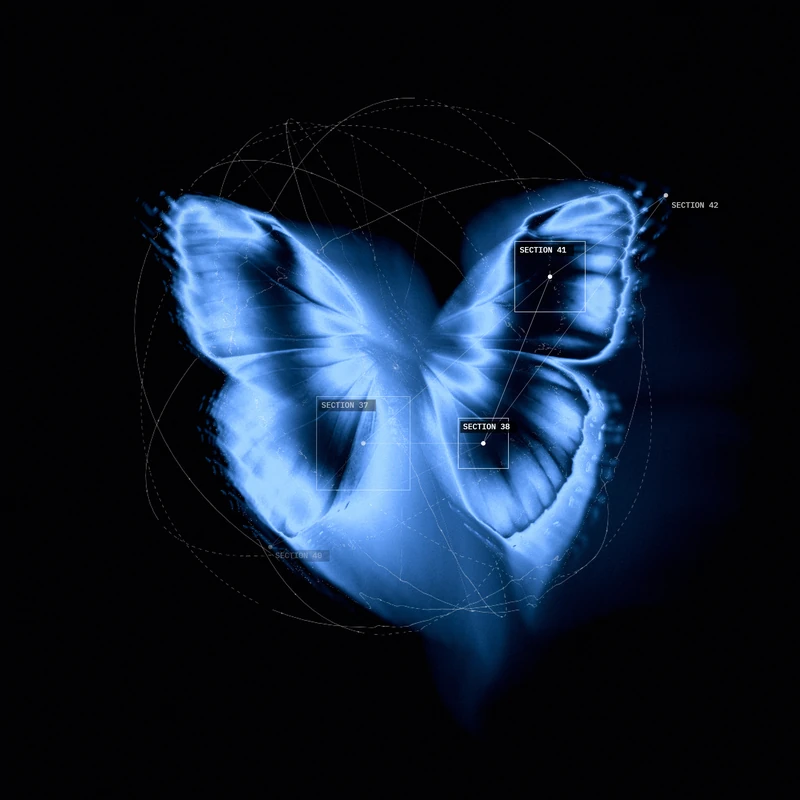
The rule is simple: read the science first, and build the graphics from real structures, data and processes. Sixfold's graphics are built from thermal imagery, specimens seen as heat, sectioned and numbered. Gray Matter's graphics come from the brain's structure and mathematical mapping, generated with nodes. Then the company's own scientists check them.
Use a metaphor from the field itself
The best science brands borrow their metaphor from science, not from marketing. Neurona's brand draws on the fungal kingdom, which works in a similar way to its scientific method. Versed's crystal stands for research that builds slowly and holds its shape.
A metaphor from the field feels true to experts and still gives everyone else a picture to remember.

Build for papers, posters and stages
A science brand lives in more places than most: publications, conference posters, talks, grant applications, funding decks, hiring pages. The system needs rules for all of them.
- Typography that works for long reading and for a slide seen from the back of a room
- A graphic system that can show data, not only decorate
- Templates for decks, posters and documents
- Motion for talks and launches, where a process can be shown, not only described
Versed pairs a custom display face with a classical serif for the body, so it reads well as a printed journal and as a website.
When a science company needs a brand
Usually at a spinout from a university, before a funding round, or when the research becomes a product with customers. If the website still looks like a lab page, investors and candidates will judge the company by it.
Questions
Science branding is the identity of a research-led company: its positioning, name, logo, typography, colour, graphics, motion and website. It makes complex research clear to investors, partners and customers while staying accurate enough for scientists.
Start from the science: what it does, who has to believe it and what makes it different. Build the visual language from real data and structures from the work, and test it with the company's own scientists.
It helps to be curious and careful more than to have a degree. A good designer reads about the field, asks the team a lot of questions and lets the scientists check every graphic.
Working on a brand for your company?
Second Eight is a branding agency for science, health and technology companies. Sam Hox, the founder, leads every project. Two clients at a time.