What Makes a Great Deep Science Brand Identity
In short
- The most powerful deep science brands find a way to visualize what their technology does.
- A deep science brand that looks like every other deep science brand communicates nothing about what makes the company unique.
- The core identity is strong and distinct enough to anchor the brand, but the system is flexible enough to adapt as the company grows.
Contents (6)
Deep science companies operate at the frontier of what is possible. They are developing technologies that most people cannot fully understand, solving problems that have never been solved before, and building companies in categories that barely existed five years ago. Their brand identities need to reflect that.
Most deep science brands fail because they default to safe, generic visual language. Clean sans-serif type, abstract geometric logos, blue and white color palettes. It all blurs together. The companies that break through do something different.
They make the invisible visible
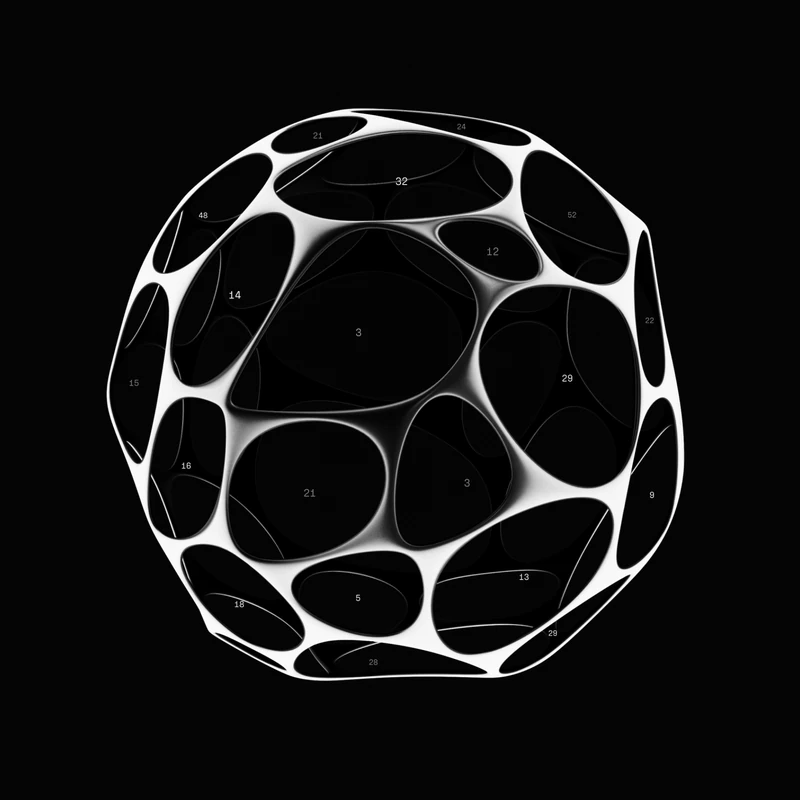
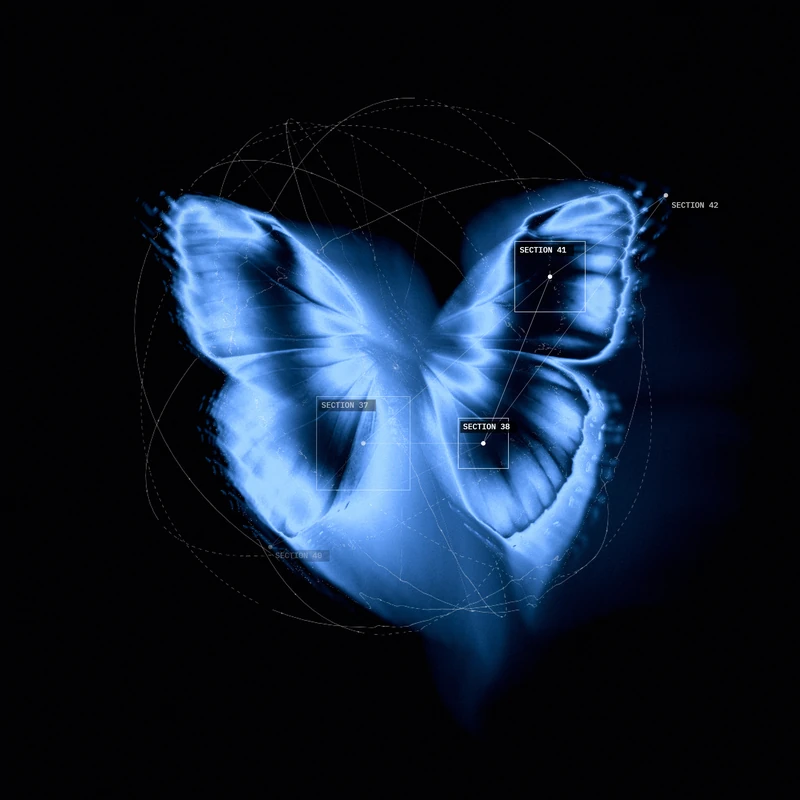
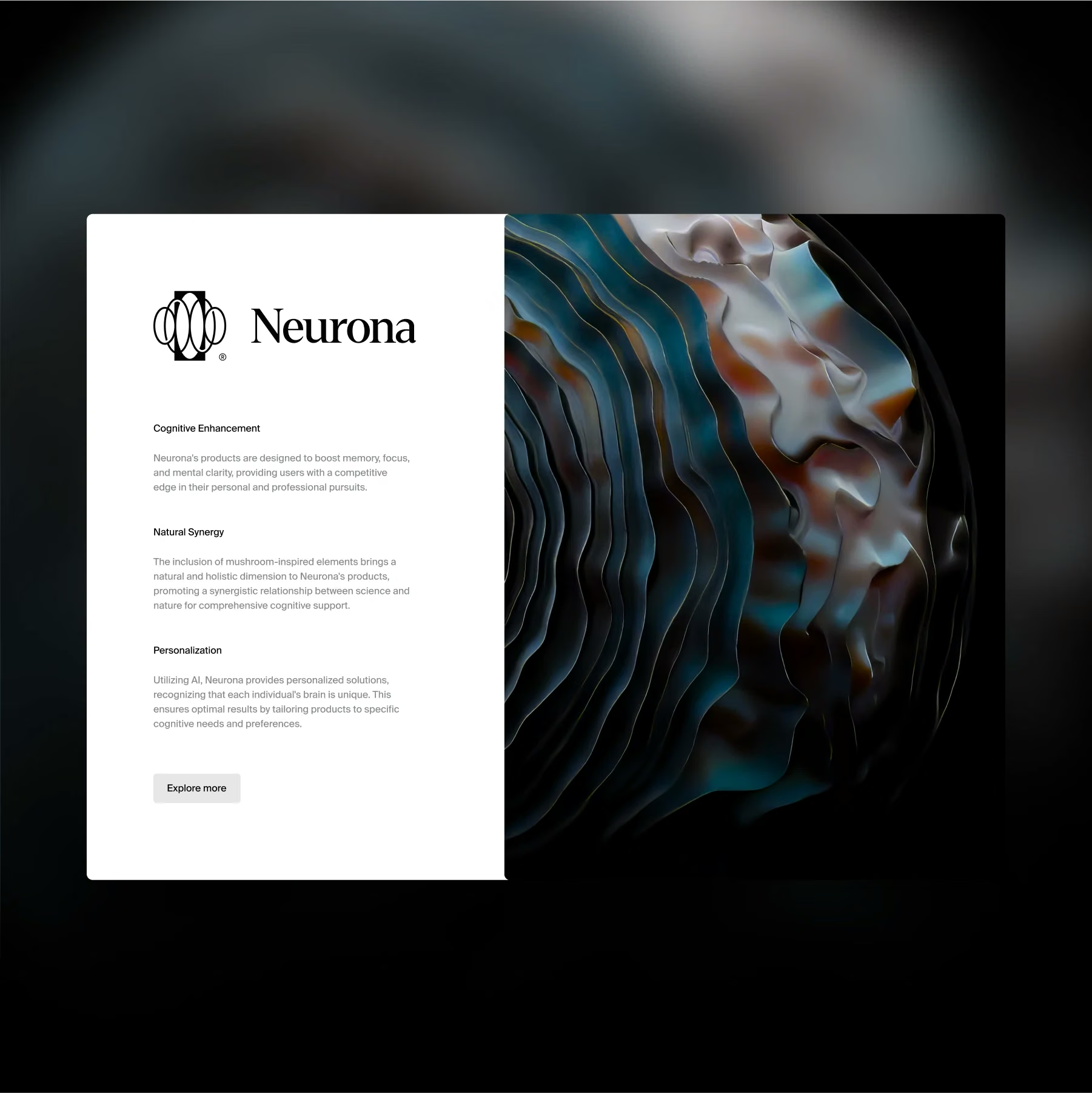
The most powerful deep science brands find a way to visualize what their technology does. Not literally, but metaphorically. A company working on brain signal analysis might build a visual language around the movement and structure of neural data. A cell biology company might use the microscopic world of the cell as the foundation for its graphic system.
This approach requires a designer who takes the time to genuinely understand the science. The visual metaphor cannot be invented in isolation. It has to emerge from the technology itself.
They commit to a distinct visual language
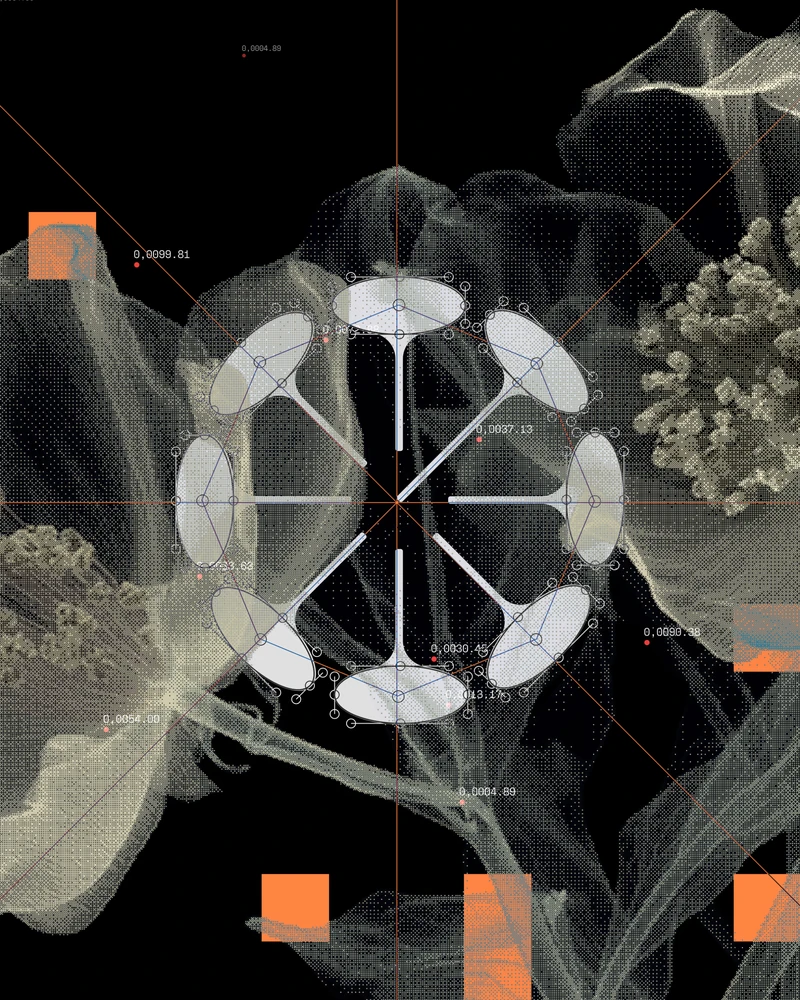
Generic is the enemy. A deep science brand that looks like every other deep science brand communicates nothing about what makes the company unique. The best brands in this space make bold choices: unexpected color systems, custom typography, graphic languages that could not belong to anyone else.
This takes courage from both the designer and the founding team. It is easier to approve something that looks familiar. It is harder, and more valuable, to approve something that feels genuinely new.
They balance scientific credibility with human warmth
Deep science brands need to communicate rigorous scientific credibility. But they also need to connect emotionally with patients, partners, and investors who are human beings first. The best brands in this space hold both qualities simultaneously.
This balance is one of the hardest things to achieve in brand design. Too much clinical precision and the brand feels cold and inaccessible. Too much warmth and softness and it loses scientific authority. The sweet spot is where the science and the humanity meet.
They think beyond the logo
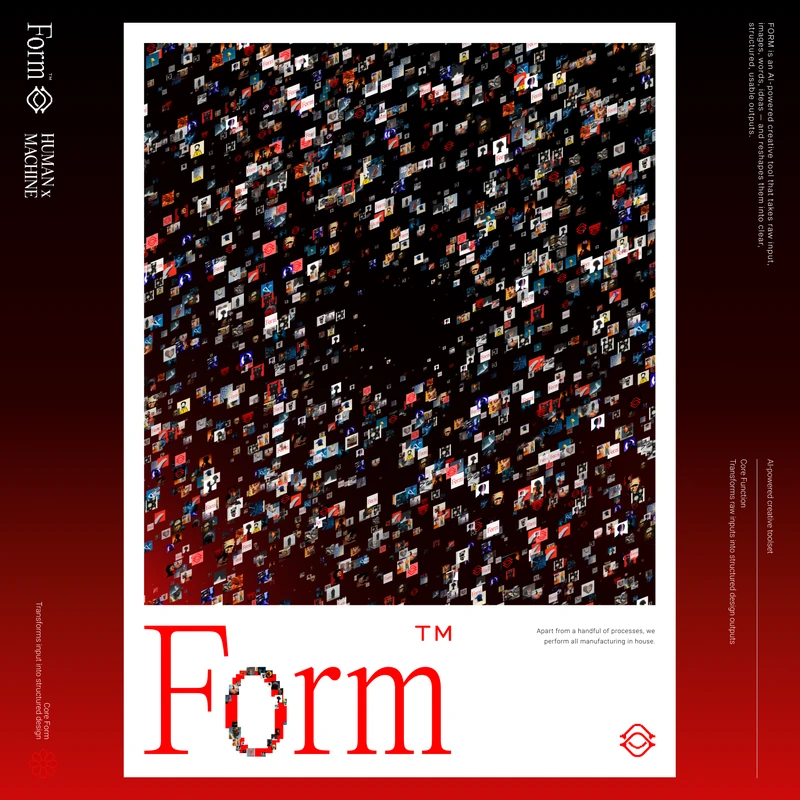
A logo is the smallest unit of a brand identity. For deep science companies, the full system matters far more. How does the visual language work in a scientific publication? How does it translate to a digital product interface? How does it hold up in a pitch deck presented to a room of PhDs?
The best deep science brands have answers to all of these questions built into the system from the start.
They evolve with the company
Deep science companies grow and change faster than almost any other type of organization. A brand identity built for a seed-stage startup needs to have enough flexibility to scale through Series A, B, and beyond, through pivots, partnerships, and potential acquisitions.
The most durable deep science brands are built with this evolution in mind. The core identity is strong and distinct enough to anchor the brand, but the system is flexible enough to adapt as the company grows.
Final thought
A great deep science brand identity does not just represent a company. It communicates the significance of its work, builds trust with the people who matter most, and positions the company as a leader in its category before it has even proven itself fully. That is an enormous amount of work for a visual system to do. The best ones do it effortlessly.
Sam Hox is the founder of Second Eight Studio, a brand identity studio specializing in deep science, healthcare, and technology startups.