The Difference Between a Logo and a Brand Identity System
In short
- A logo is a mark. A brand identity is a system.
- The problem is that a logo without a system produces inconsistency.
- The right time to invest in a complete brand identity system is before you go to market, not after.
Contents (7)
One of the most common misunderstandings among startup founders is the belief that a logo is a brand identity. It is not. A logo is a mark. A brand identity is a system. The difference between the two determines whether your company looks like a serious contender or a work in progress.
What a logo actually is
A logo is a symbol or wordmark that identifies your company. It is the most compressed expression of your brand, designed to be recognizable at any size and in any context. A good logo is distinctive, memorable, and flexible enough to work across every surface it appears on.
But a logo alone cannot carry the full weight of a brand. It is one element in a much larger system.
What a brand identity system is
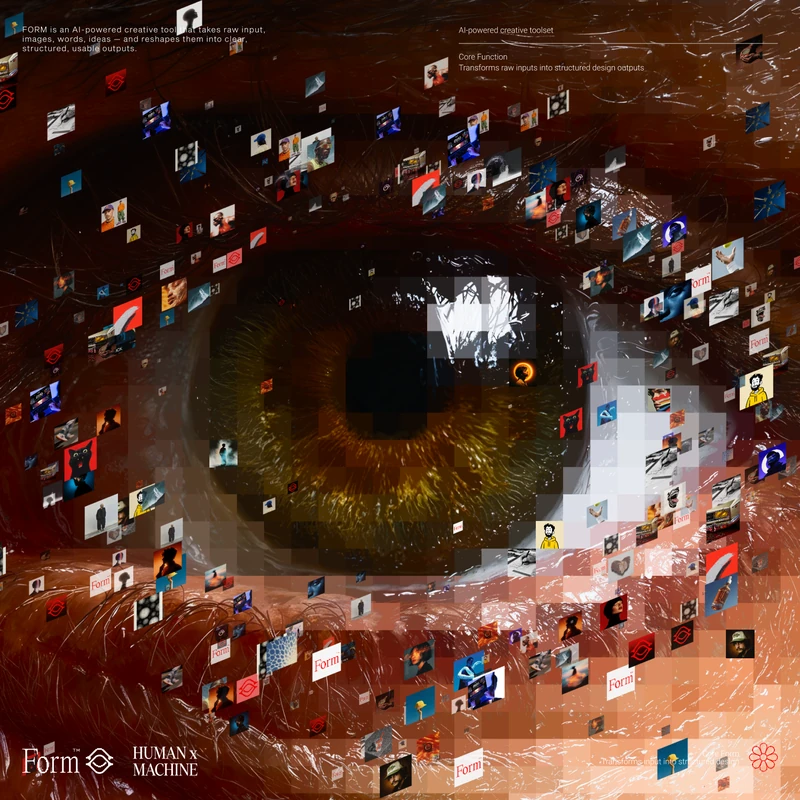
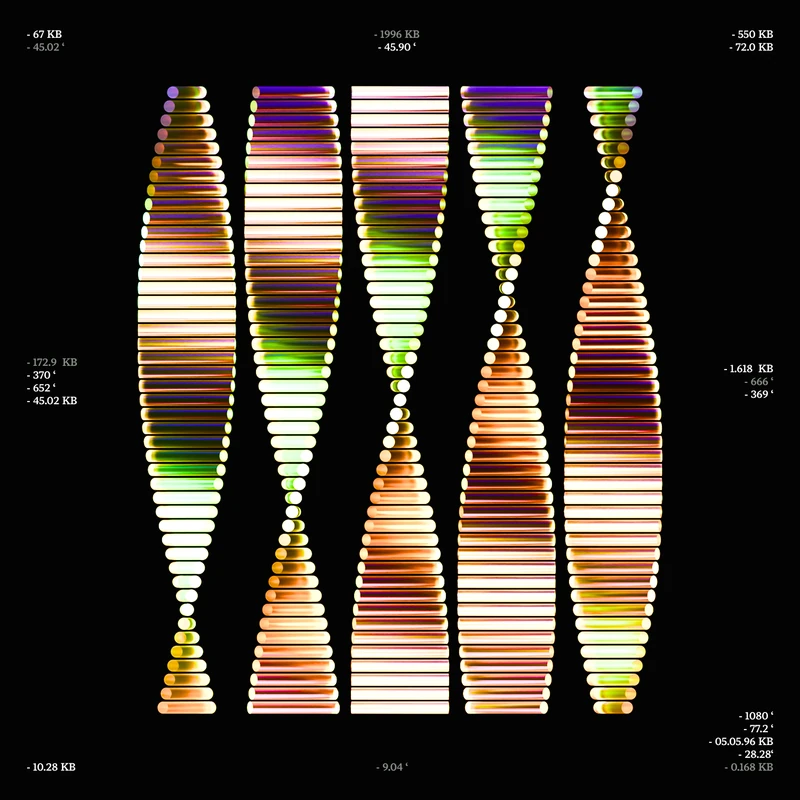
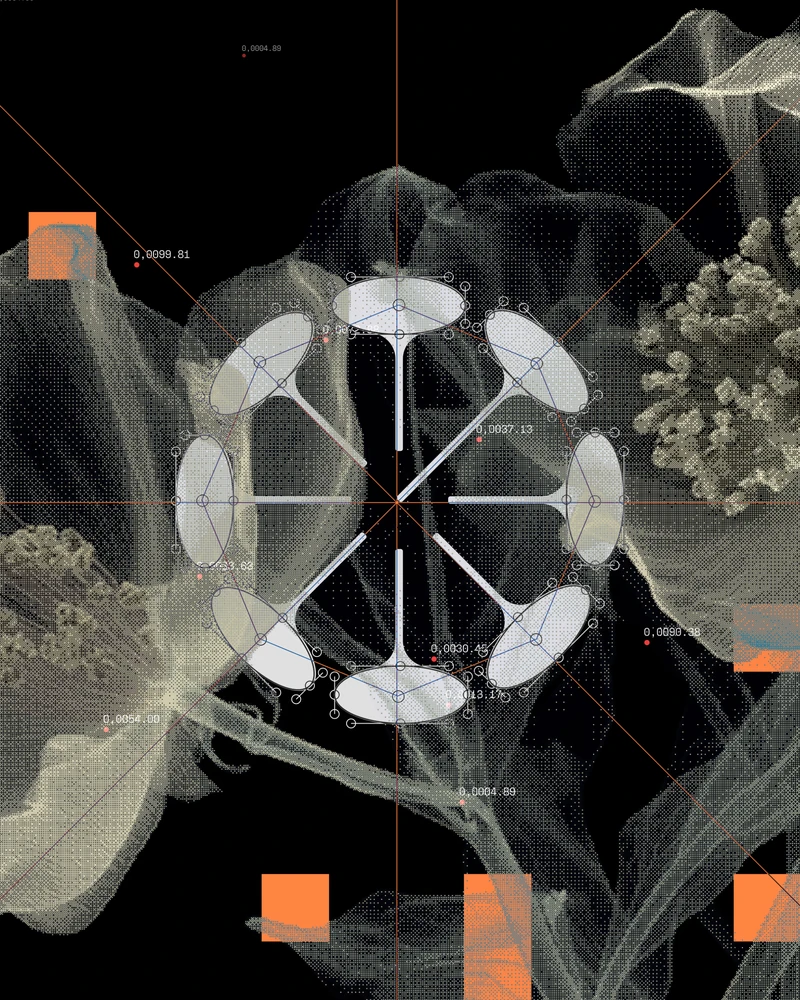
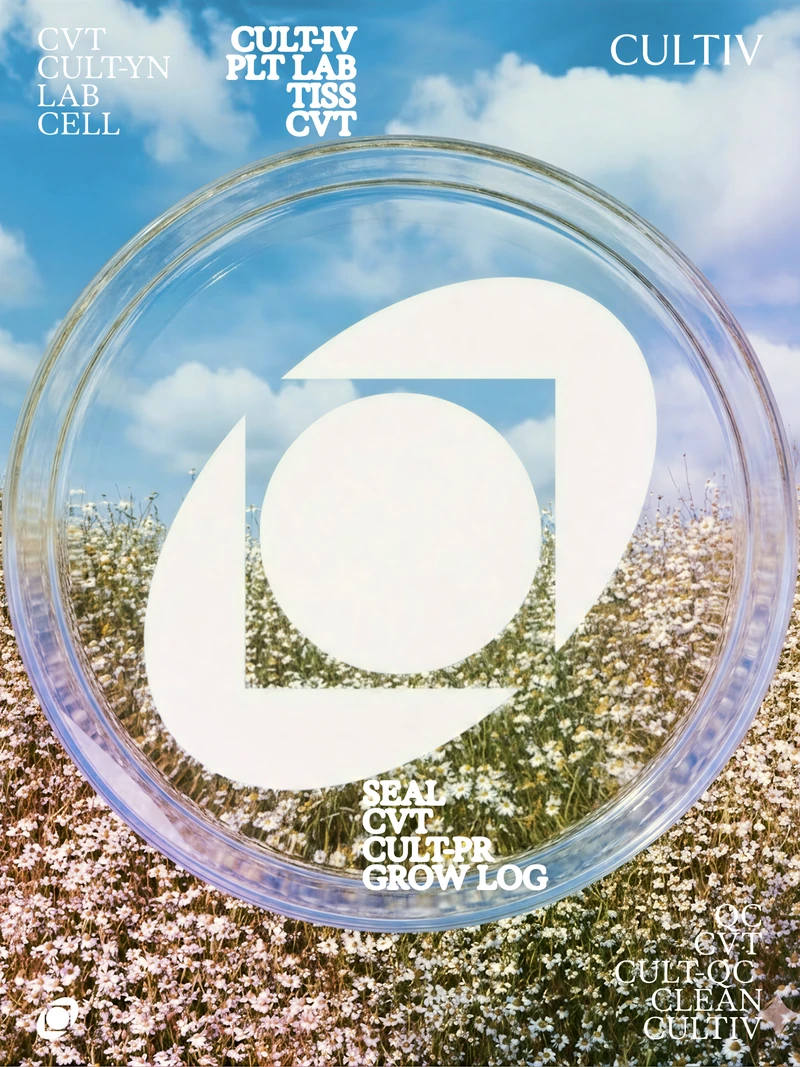
A brand identity system is the complete set of visual elements that define how a company presents itself to the world. It includes the logo, but it also includes typography, color, graphic language, photography style, iconography, motion principles, and the rules that govern how all of these elements work together.
A strong brand identity system means that even without a logo present, you can look at a piece of communication and know immediately which company it belongs to. The system creates recognition, consistency, and trust across every touchpoint.
Why startups underinvest in the system
Most early-stage startups prioritize the logo because it feels like the most urgent and tangible deliverable. They need something to put on their website, their pitch deck, their business cards. The logo feels like the brand.
The problem is that a logo without a system produces inconsistency. Every new piece of communication becomes a new design decision made from scratch. The pitch deck looks different from the website. The social media posts look different from the product interface. The brand feels fragmented and unfinished, even if the logo itself is strong.
What a system does for a science or healthcare company
For companies in deep science, healthcare, and biotech, brand consistency carries even more weight than in other sectors. Your audience includes scientists, clinicians, investors, and regulators who make judgments about competence and credibility based on every detail of how you present yourself.
A fragmented brand communicates disorganization. A consistent, well-designed brand system communicates that you are a serious organization that pays attention to detail, which is exactly what you need your audience to believe about your science.
The elements of a complete brand identity system
A full brand identity system for a science or healthcare startup typically includes a primary logo and logo variations for different contexts, a complete typography system covering headlines, body copy, captions, and data labels, a color palette with primary, secondary, and functional colors, a graphic language including patterns, textures, illustrations, or data visualization styles, photography and imagery guidelines, iconography, motion and animation principles, and a set of templates for the most common applications including pitch decks, website, and social media.
Each of these elements should be documented in a brand guidelines document that anyone working with the brand can reference.
When to invest in a full system
The right time to invest in a complete brand identity system is before you go to market, not after. The cost of retrofitting a brand system onto a company that has already been communicating inconsistently is much higher than building it correctly from the start.
If you are preparing for a funding round, launching a product, or beginning to build a public presence, that is the moment to invest in the full system, not just the logo.
Final thought
A logo gets you recognized. A brand identity system gets you trusted. For a deep science or healthcare startup operating in a credibility-driven environment, trust is everything. Invest accordingly.
Sam Hox is the founder of Second Eight Studio, a brand identity studio specializing in deep science, healthcare, and technology startups.